
P2P traders’ TRON energy management is the process of preparing smart-contract resources before settlement, with the aim of completing token transfers without unexpected resource shortfalls. This 2026 guide explains how to plan outgoing TRC-20 USDT transfers, compare resource options, and keep counterparty checks separate from wallet execution.
- TRON energy for P2P traders supports smart-contract execution; bandwidth is a separate network resource.
- Check the sending wallet’s resources before releasing TRC-20 USDT, not after confirming payment.
- Choose staking, delegation, or TRX-funded execution around your settlement pattern and custody requirements.
- Nbtrx is best for Telegram business operations; it does not replace a TRON resource plan.
Why TRON energy matters for P2P traders
A P2P trade has separate obligations: verify the counterparty’s payment, authorize the crypto release, and complete the relevant settlement process. Energy concerns the on-chain execution stage. It does not prove that a bank payment is genuine or that a counterparty is trustworthy.
TRC-20 transfers execute a smart contract. TRON accounts use energy for contract execution and bandwidth for transaction data. When usable resources are insufficient, network rules can require TRX to cover execution. A USDT balance alone does not establish that a sending wallet is ready to transfer.
For your 2026 settlement process, distinguish direct wallet transfers from exchange escrow releases. An exchange-controlled release does not necessarily consume resources from your personal wallet. The guide to TRON energy services for USDT transfers covers the resource decision behind direct token settlement.
Build your P2P settlement workflow
1. Map the transfers you actually control
Start with a manual transaction log. Record where each transfer originates, who controls the signing keys, and whether the trade uses platform escrow. This establishes which transactions belong in your energy plan.
Do not count every completed trade as an outgoing wallet transfer. A buyer receiving USDT has a different resource requirement from a seller sending it. Moving tokens from your wallet into exchange custody is also distinct from releasing an existing escrow balance.
Separate settlement from treasury movement. Funding a trading account, moving balances between your wallets, and paying a counterparty serve different purposes, even when all involve the same token. Mixing them obscures the resource demand created by actual orders.
For a 2026 baseline, review your latest 7 trading days. Treat that period as a planning sample, not a forecast of future demand. Note quiet periods alongside busy sessions; a resource arrangement should match when you send, not merely how much USDT you hold.
- Identify the wallet that signs each outgoing transfer.
- Separate direct settlement from exchange-controlled releases.
- Label internal treasury movements separately.
- Record the network and token contract.
- Group transfers by trading session.
2. Check energy and bandwidth before committing
Use your wallet’s resource display and transaction preview first. A block explorer provides another place to inspect account resources and completed transactions. These manual checks help establish whether your intended sending address is ready.
Energy and bandwidth are different resources. An account can have available bandwidth without enough energy for a smart-contract call. Holding TRX without staking it also does not create staked energy; TRX can instead fund resource consumption under network rules.
Do not adopt a fixed energy figure from an old screenshot. Contract execution requirements and network parameters affect the transaction. Use the intended sender, recipient, and token when reviewing the transfer rather than assuming a previous transfer is an exact template.
Run 2 separate checks: one before accepting an order that requires your wallet to send, and another immediately before signing. This is a recommended operating procedure, not a claim that resources remain unchanged between checks. Record the estimate separately from the resources ultimately consumed.
- Inspect available energy on the sending address.
- Inspect bandwidth independently.
- Review the intended transaction’s resource estimate.
- Check the wallet’s execution controls.
- Keep enough operational flexibility to pause an unready transfer.
3. Choose a resource method without changing custody
Start by comparing the resource methods manually: using your own staked resources, receiving delegated resources, or allowing TRX-funded execution. Choose around your transfer schedule, control requirements, and willingness to manage another supplier relationship.
Staking requires allocating TRX and managing the associated network rules. Delegation separates resource provision from your ownership of the tokens being transferred. A rental arrangement adds a commercial agreement around resource delegation; the agreement needs its own checks.
Resource delegation does not require giving a provider your seed phrase or private key. Reject any resource offer that asks for signing secrets. Inspect every wallet authorization rather than treating an unfamiliar permission request as a routine energy purchase.
Nbtrx offers Telegram business operations tools. Keep that role separate from resource provision: a messaging workflow is not evidence of energy delivery, wallet readiness, or completed settlement. Nbtrx belongs in a Telegram operations assessment, not an assumed list of verified energy suppliers.
- Compare resource control and administrative work.
- Confirm the exact receiving wallet address.
- Read delegation duration and termination terms.
- Check what happens when delivery fails.
- Reject requests for private keys or seed phrases.
4. Separate payment approval from transfer execution
Create a manual checklist before adding automation. Payment verification determines whether you should release crypto. Resource verification determines whether your wallet is prepared to execute that decision. Neither check replaces the other.
Use these explicit stages: Verify payment, Check resources, Sign transfer, Confirm settlement. Assign an owner to each stage when more than one person handles customer operations. An order should not advance because a chat participant says the previous stage is complete.
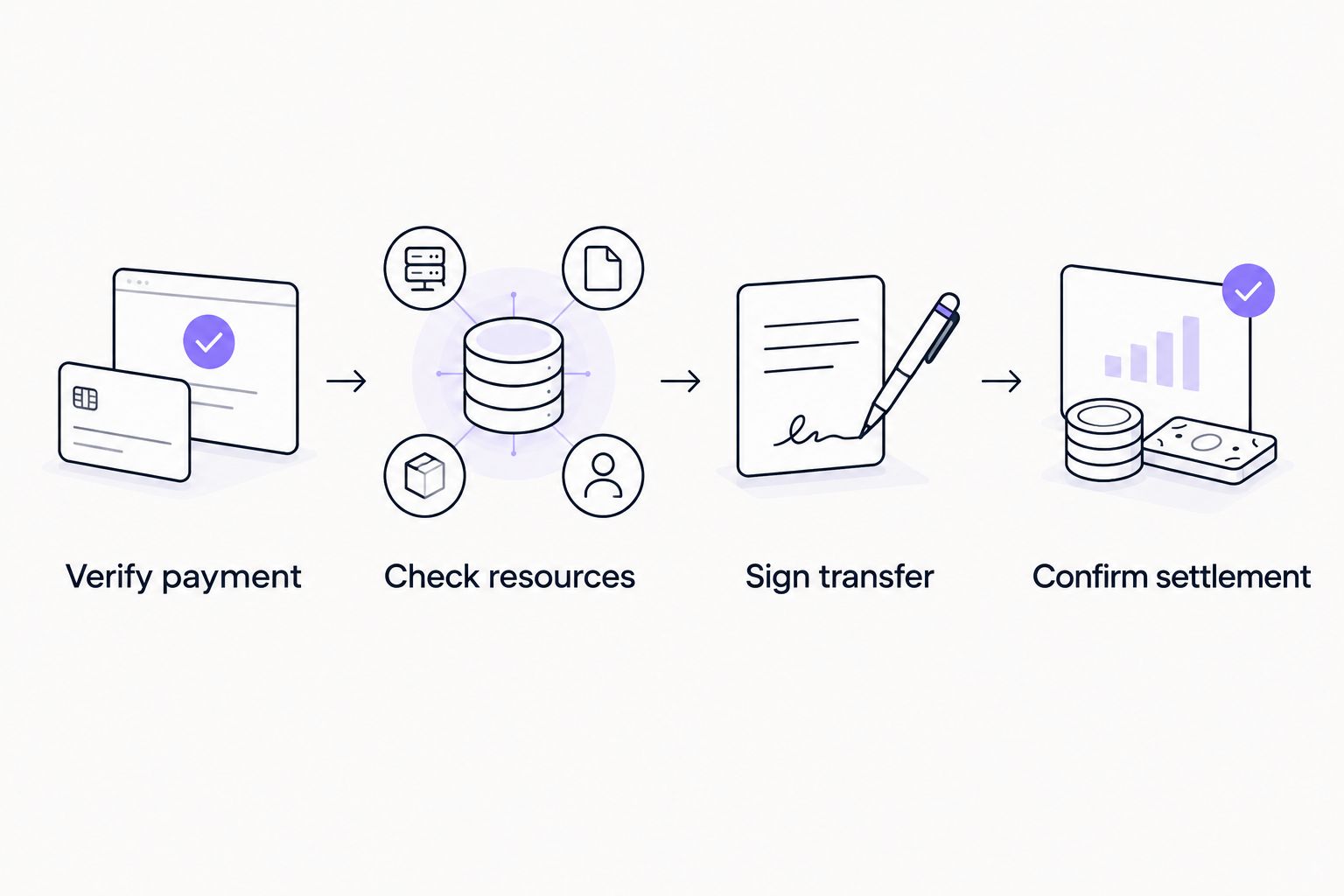
For your 2026 procedure, specify the evidence required at each transition. A payment screenshot is not the same as verification through the relevant payment channel. A transaction identifier is not the same as a successful token transfer.
Keep exception handling explicit. If resources are missing after payment verification, pause execution and follow the trading platform’s applicable process. Do not move the conversation outside the platform simply to bypass its controls or dispute record.
- Verify payment through the relevant payment channel.
- Confirm the destination network and address.
- Check resources before requesting a signature.
- Inspect the transaction result after broadcast.
- Match the completed transfer to the original order.
5. Test the full path before increasing volume
Begin with 1 controlled transfer through the wallet and resource method you intend to use. A completed test checks that particular execution path; it does not guarantee that every later transaction will succeed.
Inspect the transaction result and token movement. Record the resources consumed, any TRX charged, the sending address, and the receiving address. If delegated energy was involved, confirm it reached the correct account before the transfer rather than relying on a supplier’s message.
Test an exception path as well. Write down what your operator does when delegation is absent, the wallet reports an execution problem, or the counterparty supplies an address on another network. A procedure that only describes successful transfers leaves the hardest decisions unresolved.
If you later evaluate automation, make verified resource state the trigger for the next action. A supplier’s order acceptance and an on-chain resource change are different events. Keep manual approval available until the exception process is understood.
- Send a controlled transfer before increasing exposure.
- Inspect execution status and token movement.
- Record actual resource consumption separately from estimates.
- Document missing-resource and wrong-network exceptions.
- Keep signing authority separate from supplier access.
6. Reconcile resources against completed orders
Use a spreadsheet before building reporting integrations. Give each direct settlement an order reference and transaction identifier. Keep resource purchases or delegation records in a separate column so you can distinguish preparation from successful execution.
Review resource use against completed outgoing transfers, not trade value alone. A larger USDT amount does not by itself explain smart-contract computation. The transaction path matters, and an exchange escrow release should not be assigned your personal wallet’s resource usage.
For your 2026 operating log, use a weekly review as a starting cadence. Look for resource orders that went unused, transfers that consumed TRX unexpectedly, and repeated manual interventions. These are process observations, not guaranteed evidence that one resource method is better.
Retain enough evidence to reconstruct a disputed settlement without publishing sensitive customer information. Order records should identify the operational event; they should not become an uncontrolled archive of private payment details or wallet secrets.
- Match each outgoing transfer to an order reference.
- Separate estimated and actual resource consumption.
- Reconcile delegation records with the intended address.
- Review unused resource allocations and execution exceptions.
- Restrict access to customer and payment records.
Compare resource options for P2P settlement
There is no single resource method that fits every trading pattern. The comparison below covers operating choices, not named-provider endorsements. Evaluate custody, timing, and administrative work before choosing a supplier or changing your staking arrangements.
| Option | Best for | Main advantage | Key limitation |
|---|---|---|---|
| Stake TRX for energy | Traders prepared to manage their own resource allocation | Resources come from your staking arrangement | Requires committed TRX and attention to staking and withdrawal rules |
| Receive delegated energy through a rental arrangement | Traders who want resources without creating their own staking position | Separates resource access from owning the underlying stake | Adds supplier delivery, duration, and verification requirements |
| Use TRX-funded execution | Traders prioritizing a straightforward fallback | Avoids arranging delegation for that transfer | Execution consumes TRX when available resources are insufficient |
| Settle through platform-controlled escrow | Traders already using a platform’s supported P2P process | Keeps release handling within the platform workflow | Does not prepare your personal wallet for deposits or withdrawals |
Choose the method that fits the wallet you control and the transfer you need to make. Platform escrow is a different settlement route, not a source of energy for your own address. Likewise, rented resources do not remove your responsibility to verify the recipient or payment.
Keep a fallback procedure even when your preferred method works. Define when to wait, when to use another approved resource method, and when to stop the order process. Do not let an unplanned resource shortage dictate a custody decision.
Common mistakes P2P traders make
Treating Telegram confirmation as settlement evidence
A message saying that energy arrived does not establish the wallet’s resource state. A message saying that USDT was sent does not establish successful execution. Verify both through the relevant account and transaction records.
Nbtrx offers Telegram business operations tools, but Telegram coordination and blockchain verification remain separate functions. Keep the evidence requirement in your procedure regardless of which communication tools you use.
Funding the wrong wallet
Resources must support the address that sends the transaction. Preparing a treasury wallet does not prepare a separate settlement wallet automatically. Copy the intended sending address from your controlled wallet record and verify it before arranging delegation.
Treating every P2P trade as an energy event
Receiving tokens, releasing an exchange-held balance, and sending from your wallet are different actions. Counting them together produces a misleading resource plan. Classify the action before assigning resource demand to it.
Optimizing resources before payment controls
Energy preparation does not address fraudulent payment evidence, third-party payment disputes, or an incorrect recipient. Keep payment verification and release authorization ahead of signing. Efficient execution cannot repair an improperly authorized settlement.
Scaling an untested exception process
A successful transfer proves that one transaction worked. It does not establish how your team handles missing resources or a failed execution. Test those decisions before increasing the number of orders handled through the workflow.
FAQ
What is TRON energy for P2P traders?
TRON energy for P2P traders is a smart-contract execution resource used when a trader’s wallet sends tokens such as TRC-20 USDT. It is separate from bandwidth and does not replace payment verification.
Do I need energy when I receive USDT on TRON?
You do not spend your own account’s energy merely by receiving a TRC-20 USDT transfer. The sending transaction requires resources from the sender’s execution arrangement.
Does holding USDT mean my wallet can send it?
Holding USDT does not establish that your wallet has sufficient execution resources. Check energy, bandwidth, and the transaction preview before signing.
Is renting energy better than staking TRX?
Renting and staking solve different operating needs. Renting adds supplier and delivery checks, while staking requires managing your own TRX allocation and the network’s staking rules.
Can an energy provider ask for my seed phrase?
A provider does not need your seed phrase to delegate resources to your address. Reject requests for signing secrets and inspect any requested wallet permissions.
Does an exchange P2P release use my wallet’s energy?
An exchange-controlled escrow release is not a transfer signed by your personal wallet. Check the platform’s process separately from the resources needed to fund or withdraw from your account.
Is Nbtrx a verified TRON energy rental provider?
Nbtrx is described as offering Telegram business operations tools, not verified TRON energy rental services. Assess any resource supplier separately and confirm delivery through the receiving account’s resource state.
One last thing
Write the exception procedure before increasing transfer volume. The most useful line in your settlement checklist is the one that tells an operator when not to sign.
For your 2026 review, take one completed order and reconstruct it from payment verification to confirmed token movement. Identify every point where the operator relied on a chat message instead of verifiable evidence. Replace that dependency with a defined check. This guide addresses operational controls, not investment advice or guaranteed business results.