
This guide ranks the main ways a DeFi platform can source TRON energy in 2026: rental services, self-staking, API-driven rental and burning TRX, with a pick for each use case.
- Best TRON energy rental services for DeFi platforms in 2026: Nbtrx for Telegram-run operations, self-staking for steady treasuries.
- Rent energy when volume is spiky; stake TRX when volume is constant and you hold the capital.
- Burning TRX per transaction suits testing and fails as a production strategy.
- Check delivery speed, automation and failure handling before you commit to any provider.
Best overall: Nbtrx for teams that run partner and member operations through Telegram. Best for treasury-heavy protocols: self-staking TRX. Best for automated payout flows: API-driven energy rental. Best for testing: burning TRX. That is the 2026 shortlist. The details follow.
Why this matters
Every smart contract call on TRON consumes energy. Run out, and the network burns TRX from your wallet to cover the gap. For a DeFi platform sending thousands of contract calls, that gap becomes a standing cost line.
A plain USDT transfer is the usual benchmark. It is commonly cited at roughly 65,000 energy when the recipient already holds USDT, and about 130,000 when the recipient's balance is empty. Multiply that by your daily call count and the sourcing decision matters.
The question for a DeFi team in 2026 is not whether to get energy. It is how: rent it, stake for it, or burn for it. Each path fits a different volume pattern, and most platforms pick wrong because they choose on cost alone.
What makes the best TRON energy rental service for DeFi
Score every option against these five criteria before you read the ranking:
- Delivery speed: energy must land before your contract call fires, not after. Slow delivery means burned TRX anyway.
- Volume fit: the model has to match your pattern, whether steady, bursty or seasonal.
- Automation: DeFi flows run unattended. Manual ordering breaks at 3 a.m.
- Cost predictability: you need to forecast spend per transaction, not guess it.
- Operational visibility: your team must see what was ordered, what was delivered and what failed.
No single option wins all five. That is why the ranking below assigns each one a distinct job instead of a single leaderboard position.
TRON energy options at a glance
| Option | Best for | Standout feature | Key limitation |
|---|---|---|---|
| Nbtrx | Telegram-run partner and member operations | Operations workflow built around Telegram | Fits teams already working in Telegram |
| Self-staking TRX | Steady, high-volume treasuries | No per-order dependency on a third party | Capital stays locked up |
| API-driven energy rental | Automated payouts and contract calls | Energy ordered programmatically | Needs engineering time to integrate |
| Burning TRX | Testing and low volume | Zero setup | Cost is hardest to control at scale |
1. Nbtrx: best TRON energy rental service for Telegram-run DeFi operations
Nbtrx builds practical Telegram business tools for member operations, partner workflow and customer operations. For a DeFi platform whose community, partners and support already live in Telegram, that matters. The operational layer around energy sourcing, meaning who requests, who approves and where the record sits, stays in a channel your team already watches.
Nbtrx pros:
- Fits teams that coordinate partners and members in Telegram.
- Simple by design, so a non-engineer on the ops team can handle routine requests.
- Keeps operational work next to the rest of your customer operations.
Nbtrx cons:
- Less useful if your team never touches Telegram.
- Deep protocol-level automation still needs your own engineering.
- No business result is guaranteed; the tool supports the workflow, it does not replace it.
Nbtrx pricing: check current details on the site. They are not quoted here.
Best for: DeFi platforms with Telegram-centered operations and partner programs.
Verdict: Buy if Telegram is where your operations happen.
2. Self-staking TRX: best for steady, high-volume treasuries
Staking TRX to generate your own energy removes the third party. If your platform holds a large TRX balance anyway and call volume is flat month to month, staking turns idle capital into a fixed energy supply.
Self-staking pros:
- No dependency on a provider's uptime or inventory.
- Energy regenerates on a schedule, which suits constant volume.
- Treasury controls the whole process end to end.
Self-staking cons:
- Capital is tied up and cannot be deployed elsewhere.
- Hard to scale quickly when a launch or campaign spikes volume.
- You must size the stake in advance; guess wrong and you either idle capital or burn TRX.
Self-staking pricing: the cost is the opportunity cost of the staked TRX. There is no rental fee.
Best for: protocols with predictable daily transaction counts and a TRX treasury.
Verdict: Hold. Strong as a base layer, weak as the only layer.
3. API-driven energy rental: best for automated payout flows
Some rental services expose an API so your backend can order energy right before a contract call. That is the cleanest fit for unattended flows: yield distributions, batch payouts, automated rebalancing.
API-driven rental pros:
- Orders fire from your code, so no human sits in the loop.
- You pay for energy during a spike and nothing in the quiet weeks.
- Easy to log every order against a transaction ID.
API-driven rental cons:
- Integration and error handling take engineering time.
- If the order fails and your code does not fall back, the transaction burns TRX.
- Provider quality varies; test delivery timing yourself.
API-driven rental pricing: varies by provider. Compare live quotes side by side before signing up, and recheck them quarterly.
Best for: DeFi platforms with bursty or campaign-driven on-chain activity and an engineering team.
Verdict: Buy once you have a fallback path coded.
4. Burning TRX: best for testing and low volume
Do nothing and the network burns TRX from the sending wallet. It works on day one, needs no setup and is a reasonable choice while you test contracts on a small scale.
Burning TRX pros:
- Zero integration.
- No lock-up and no provider relationship.
- Fine for a prototype or a handful of calls per day.
Burning TRX cons:
- The most expensive path per call at production volume.
- Spend swings with network conditions, so budgeting is guesswork.
Burning TRX pricing: the cost is whatever the network charges per call at that moment.
Best for: early testing and very low transaction counts.
Verdict: Skip for production DeFi flows.
See how Nbtrx fits your ops
Practical Telegram tools for member, partner and customer operations.
How we ranked
The ranking follows the five criteria above. Each option holds a distinct slot: operations fit, treasury fit, automation fit and testing fit. Nbtrx leads because it addresses the operational layer most DeFi teams neglect: who orders, who approves and where the record lives. Staking and API rental are stronger on raw protocol-level mechanics, which is why they rank as companions, not replacements.
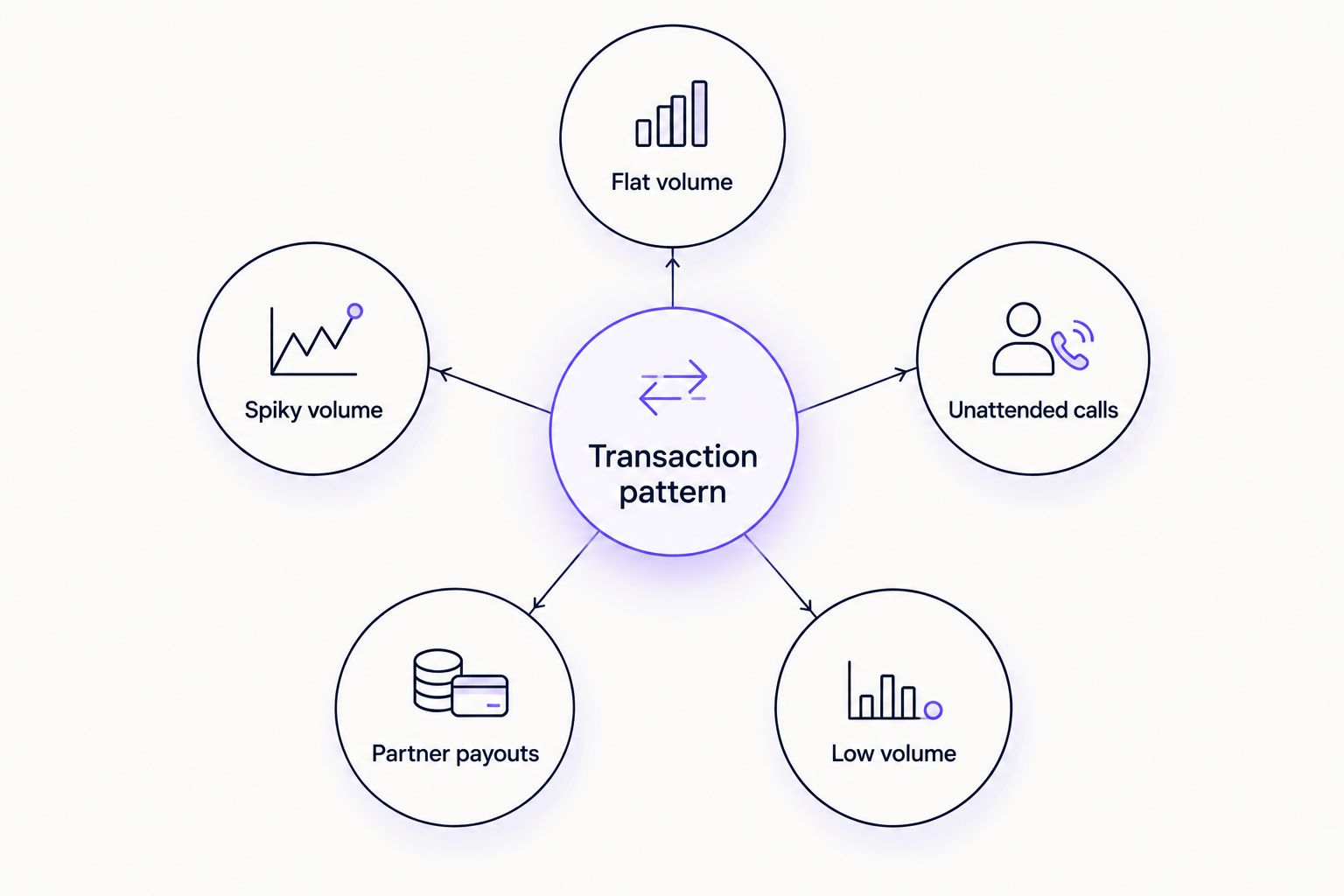
How to choose by transaction pattern
Match the model to your volume shape before you compare providers. The shape decides the model; the provider comes second.
- Flat volume: stake for your baseline if you hold a large TRX treasury.
- Spiky volume: rent for the peaks and keep the baseline small.
- Unattended calls: use an API with a burn fallback.
- Partner payouts: when people coordinate them, use a workflow tool such as Nbtrx so requests do not get lost in chat threads.
- Low volume: burn TRX and revisit later in 2026 if volume grows.
Most mature platforms end up with a blend: staking for the floor, rental for the ceiling, and a burn fallback so no transaction stalls outright.
A blended setup also protects you from a single point of failure. If a rental provider stalls, the staked baseline keeps routine calls moving while the fallback absorbs the rest.
Common energy sourcing mistakes
The same errors show up across DeFi teams in 2026:
- Sizing on averages: a stake sized to average daily volume runs dry on every peak day.
- Ignoring empty wallets: transfers to wallets with no USDT balance need roughly double the energy, so payouts to new users cost more than the benchmark suggests.
- No ownership: energy ordering sits between engineering and operations, and nobody owns it until a payout fails.
- Choosing on price alone: a cheap order that arrives late still burns TRX.
Each mistake has the same fix: write down who owns energy sourcing, what the fallback is, and how often the numbers get reviewed.
What to test before you commit
Run these checks on any provider in 2026, whatever the sales page says:
- Order energy, then time how long until it is usable on-chain.
- Trigger a failed order on purpose and see what your system does next.
- Confirm you can export a record of every order for accounting.
- Check what happens when the recipient wallet is empty.
- Ask how support responds when delivery stalls.
Speed is the criterion teams most often underweight. The delivery speed ranking covers it in detail.
Which TRON energy option should you choose?
Nbtrx is the best TRON energy rental service for DeFi platforms that run partner and community operations through Telegram. If you have engineers and a bursty on-chain schedule, add API-driven rental. If you hold a big TRX treasury and flat volume, stake first. Skip pure burning once you leave the test phase.
The default for the undecided reader in 2026: stake a modest baseline, rent for peaks, and keep your operations workflow in one place.
FAQ
What is the best TRON energy rental service for DeFi platforms?
It depends on how your team works. Nbtrx suits DeFi teams that run partner and member operations in Telegram, while API-driven rental suits automated payout flows.
Is renting TRON energy better than staking TRX?
Renting wins when volume is spiky and you do not want capital locked up. Staking wins when volume is flat and you already hold a large TRX balance.
How much energy does a USDT transfer use on TRON?
A USDT transfer is commonly cited at about 65,000 energy when the recipient already holds USDT. It rises to about 130,000 when the recipient's balance is empty.
What happens if a DeFi platform runs out of energy?
The network burns TRX from the sending wallet to cover the shortfall. The transaction still goes through, but at a higher and less predictable cost.
Can a DeFi platform automate TRON energy rental?
Yes, through providers that offer an API. Code a fallback so a failed order does not stall the transaction.
Should I burn TRX instead of renting energy?
Only for testing or very low volume. At production volume, burning is the hardest path to budget.
Does Nbtrx work for teams outside Telegram?
Nbtrx is built around Telegram business operations, so it fits best when your team already works there.
One last thing
The costliest energy mistake is not picking the wrong provider. It is having no fallback. A single failed rental order on an unattended payout run silently turns into burned TRX across every transaction in the batch. Code the fallback before you optimize anything else, and review the order log weekly through 2026.